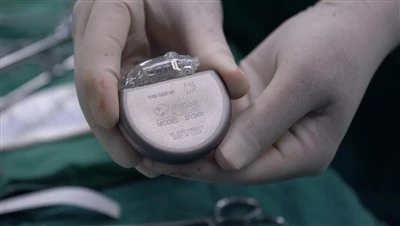
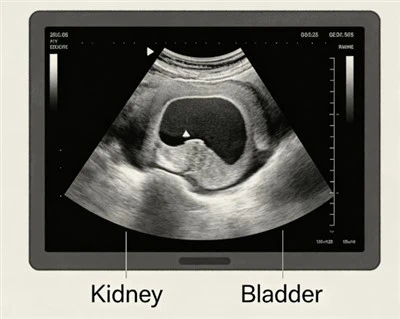
Sacral neuromodulation (SNM) has demonstrated clinical benefits for selected patients with overactive bladder, non-obstructive urinary retention, and other pelvic floor-related conditions. Its effectiveness varies by diagnosis, patient selection, response to test stimulation, and long-term follow-up.
A key treatment decision is the response during test stimulation. The clinical pathway described on our website uses symptom improvement of at least 50% as the threshold for considering permanent implantation.
Clinical Outcomes of Sacral Neuromodulation
SNM outcomes should be evaluated separately for each condition because treatment response and clinical assessment criteria differ between patient groups.
Overactive Bladder and Urinary Incontinence
SNM can reduce urinary urgency, frequency, and urge incontinence in appropriately selected patients.
Our published clinical information reports that approximately 70% of patients experience a reduction of at least 50% in daily urinary incontinence episodes. This is a website-reported figure and should be interpreted in the context of the underlying patient population and supporting clinical evidence.
Non-Obstructive Urinary Retention
SNM can improve bladder emptying in selected patients with non-obstructive urinary retention.
A systematic review reported a median test stimulation success rate of 79.2% and a median long-term success rate of 89.1% across the included studies. These figures represent different treatment stages and should not be directly compared as equivalent outcomes.
Our published clinical information also reports an average reduction of approximately 100 mL in post-void residual urine volume.
Chronic Pelvic Pain
SNM has been investigated for selected patients with chronic pelvic pain.
Our website reports an average reduction of approximately 4 points on a 10-point Visual Analog Scale (VAS) after six months of stimulation. This is a reported clinical figure, not a universal treatment outcome.
Neurogenic Bowel Dysfunction
SNM may improve bowel control in selected patients with neurogenic bowel dysfunction.
Our website reports that approximately 60% of patients with neurogenic fecal incontinence experience a reduction of more than 50% in the number of incontinence days. This figure should not be generalized to all neurological conditions or patient groups.
Patient Selection and Test Stimulation
Test stimulation provides an opportunity to evaluate treatment response before permanent implantation.
| Evaluation item | Clinical criterion |
|---|---|
| Test stimulation response | Symptom improvement of at least 50% |
| Response meeting the threshold | Consideration of permanent implantation |
| Response below the threshold | Does not meet the implantation criterion described in our website's treatment pathway |
Assessment should focus on symptoms relevant to the patient's diagnosis. Improvement in one symptom category does not automatically establish improvement in other symptoms.
Patient selection also depends on the underlying neurological or urinary condition. SNM may be considered for selected patients with overactive bladder and certain forms of neurogenic lower urinary tract dysfunction. It should not be generalized to all patients with spinal cord injury or spina bifida.
Time to Observe Treatment Response
Our published treatment information provides the following approximate observation periods:
| Symptom category | Reported time to observe improvement |
|---|---|
| Urinary leakage | 3–7 days |
| Pelvic pain | 3–7 days |
| Bladder emptying function | 1–2 weeks |
| Bowel function | 2–4 weeks |
These are reported observation periods, not guaranteed response times. Actual treatment response requires individual clinical assessment.
Long-Term Effectiveness and Follow-Up
Long-term SNM outcomes involve both symptom control and treatment-related risks.
Stimulation settings can be adjusted through external programming equipment when clinically indicated. Follow-up may include reviewing symptom changes, assessing treatment response, adjusting stimulation settings, and evaluating device-related complications.
An eight-year follow-up study reported:
| Long-term outcome | Reported result |
|---|---|
| Treatment success rate | 52.3% |
| Cumulative adverse event rate | 82.5% |
| Reoperation rate | 57.0% |
These figures belong to the specific eight-year study and should not be interpreted as universal rates for all SNM patients. They demonstrate the importance of considering long-term complications and revision procedures alongside treatment effectiveness.
Safety and Treatment Limitations
SNM is not suitable for every patient with urinary or neurological dysfunction.
For neurogenic lower urinary tract dysfunction, treatment recommendations depend on the underlying neurological diagnosis. Certain patient groups, including those with spinal cord injury or spina bifida, should not automatically be considered candidates for SNM.
Long-term evaluation should also consider adverse events, device-related complications, and possible revision surgery. These factors are important when assessing the overall clinical value of treatment.
Request a Sacral Neuromodulation Clinical Assessment
If you are considering sacral neuromodulation for urinary dysfunction, non-obstructive urinary retention, or related pelvic floor conditions, our team can help review your existing clinical information.
Send your medical records, urodynamic test results, imaging reports, or previous treatment history for an initial review. This provides a basis for discussing whether further SNM evaluation may be appropriate.
Hot Tags: clinical effectiveness of sacral neuromodulation, China, price, pricelist, quotation, cost, Bladder stimulator, implantable sacral stimulation system, Recovery of micturition function, sacral neuromodulation implantable device, SNM stage two permanent implant, tined sacral lead