Diagnostic evaluation of overactive bladder centers on exclusion of other diseases plus urodynamic confirmation.
Urodynamic Study
Urodynamic Study is the core method for assessing bladder storage and emptying functions. This test measures intravesical pressure, urine flow rate, and sphincter electromyography to determine the presence of detrusor overactivity, bladder outlet obstruction, or reduced contractility.
This test is usually performed when the patient has a natural urge to void. It requires placement of a urethral pressure catheter and a rectal abdominal pressure catheter. The procedure includes both filling and voiding phases. Involuntary detrusor contractions during filling are a key finding for diagnosing overactive bladder. The voiding phase evaluates emptying efficiency. This technique is invasive but carries low risk, and it provides critical guidance for patients considering invasive treatments.

Cystoscopy
Cystoscopy uses a lighted endoscope passed through the urethra to visualize the interior of the bladder. This examination is primarily used to rule out bladder tumors, stones, inflammation, or other structural lesions, making it an important step in differential diagnosis.
This procedure is usually performed under local anesthesia or sedation. The physician can observe whether the bladder mucosa is smooth, and look for trabeculations, diverticula, or tumors. In patients with overactive bladder, the findings are often normal, and the value lies in excluding other causes. If blood in the urine or difficulty voiding is also present, this examination is particularly necessary. Transient discomfort or mild blood in the urine may occur afterward but usually resolves within 24 hours.

Post-Void Residual Measurement
Post-Void Residual Measurement is performed immediately after urination, using ultrasound or catheterization to determine the amount of urine left in the bladder. This measure reflects bladder emptying function, with a normal value typically less than 50 mL.
This test is non‑invasive, simple, and can be completed quickly in the office. The patient voids naturally, and then a portable ultrasound scanner is used to calculate the residual volume. If the residual volume persistently exceeds 100 mL, it suggests possible bladder outlet obstruction or weak detrusor contractility. This result helps distinguish overactive bladder from other conditions that cause high post‑void residuals. Catheterization provides a more accurate measurement but is reserved for when ultrasound is suboptimal or a urine specimen is needed.
In other words, a proper diagnostic evaluation of overactive bladder combines non‑invasive screening with invasive tests to avoid overtreatment.

Frequently Asked Questions (FAQ)
Q1: Do I need all these tests to diagnose my condition?
A: Not necessarily. Your physician will select the most appropriate ones based on your symptoms, history, and initial screening results. Usually, the non‑invasive residual measurement is done first; if other diseases are suspected, then the endoscopic or pressure‑flow study may be added.
Q2: Is the pressure‑flow test painful?
A: There is some discomfort because a thin pressure catheter is placed through the urethra. However, most patients tolerate it well, and the procedure takes about 30‑40 minutes. A lubricating anesthetic gel is used to minimize discomfort.
Q3: What can the endoscopic examination see? Does it require anesthesia?
A: It can see whether there are any abnormal growths, stones, or redness inside the bladder. Local anesthetic gel or mild sedation is used; general anesthesia is not needed. The procedure takes about 5‑10 minutes.
Q4: What if my post‑void residual measurement is high?
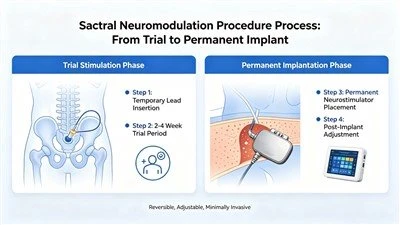
A: If the residual volume is persistently above 100 mL, your doctor will further evaluate whether there is difficulty emptying or weak bladder contractions. Depending on the cause, options include behavioral training, medications, or neuromodulation therapy.
Hot Tags: diagnostic evaluation of overactive bladder, China, price, pricelist, quotation, cost, Diagnostic Evaluation Of Overactive Bladder, Nighttime urination, Oliguria, overactive bladder, Post Void Residual Measurement, Sacral Neuromodulation Procedure