From Recognition to Intervention
For neurogenic bladder symptoms, the treatment outcomes of sacral neuromodulation are clear: reduced residual urine, fewer infections, and better bowel function.
Neurogenic bladder is a condition caused by neurological diseases such as spinal cord injury, multiple sclerosis, or Parkinson's disease. Its clinical features are diverse and significantly affect quality of life. The following sections analyze five core dimensions.
Voiding Difficulty – Trouble Emptying

Urinary Retention – Incomplete Emptying
Urinary Retention means the bladder cannot empty spontaneously. This problem may be acute or chronic: acute cases require urgent catheterization, while chronic cases often lead to recurrent infections.
Bladder Dysfunction – Disturbed Storage and Voiding

Neurogenic Bowel and Bladder Dysfunction – Dual Organ Involvement
Neurogenic Bowel and Bladder Dysfunction describes simultaneous impairment of urination and defecation. Because sacral nerves supply both pelvic organs, this combined dysfunction is common after spinal cord injury.
Elevated Post-Void Residual – The Silent Risk
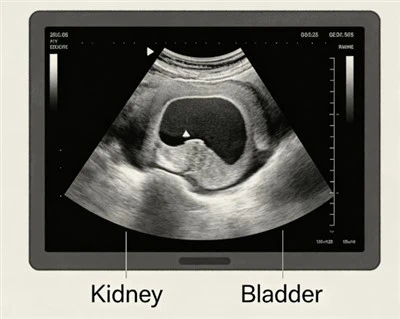
Elevated Post-Void Residual refers to urine left in the bladder after voiding exceeding 100 mL. This silent finding can promote bacterial growth, recurrent infections, and hydronephrosis.
In other words, for neurogenic bladder symptoms, the treatment outcomes of sacral neuromodulation offer "triple improvement": more complete emptying, more stable storage, and lower infection risk.
In summary, these five lower urinary tract symptoms are often interconnected. Early recognition and a stepwise treatment plan are essential to protect kidney function and improve quality of life.

FAQ – Common Questions from Patients
Q1: Is trouble emptying always due to an enlarged prostate?
A: No. It can also result from a neurogenic condition. Urodynamic testing helps clarify the cause.
Q2: Does incomplete bladder emptying always require a catheter?
A: Acute cases do. For chronic cases, options include scheduled voiding, medications, or sacral neuromodulation.
Q3: How much residual urine is dangerous?
A: More than 200 mL indicates poor emptying. If over 300 mL with infections or kidney swelling, active intervention is needed.
Q4: Can sacral neuromodulation treat both urinary and bowel problems at the same time?
A: Yes. It is an effective option for combined neurogenic dysfunction of the pelvis.
Q5: Is there a cure for these bladder problems?
A: A complete cure is rare, but symptoms can be well controlled and kidney damage prevented with proper management.
Hot Tags: neurogenic bladder symptoms, China, price, pricelist, quotation, cost, Clean Intermittent Catheterization, Cystometry, Elevated Post Void Residual, Spinal Cord Injury, Suprapubic Cystostomy, Vesicoureteral Reflux