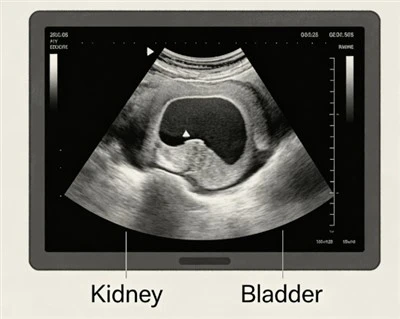
From Conservative to Interventional
Treatment Options for Neurogenic Bladder follow a core principle: "stepwise escalation" – from non‑invasive to invasive, from conservative to surgical.
Managing neurogenic bladder requires a stepwise approach, from least invasive to more invasive therapies. The following sections describe four main treatment options.
Clean Intermittent Catheterization

Sacral Neuromodulation Implantation

Intravesical Botulinum Toxin Therapy

Suprapubic Cystostomy
Suprapubic cystostomy is a surgical procedure that places a catheter directly into the bladder through the lower abdominal wall. It is reserved for patients who cannot perform intermittent catheterization or have failed other treatments. This option carries higher infection and complication risks.
In other words, the right Treatment Options for Neurogenic Bladder should be an individualized combination, not a fixed sequence.
Summary
These four treatment options – from catheterization to surgical diversion – are selected based on the patient's urodynamic findings, manual dexterity, and quality‑of‑life goals. A stepwise algorithm is recommended.
FAQ – Common Questions About Treatment
Q1: Is clean intermittent catheterization safe for long‑term use?
A: Yes. With proper technique and adequate fluid intake, it is safe and protects kidney function.
Q2: How long does sacral neuromodulation last?
A: The implantable device typically works for several years. The battery needs replacement every 3–5 years.
Q3: Are there side effects of intravesical injections?
A: Possible side effects include transient hematuria, urinary tract infection, or rarely systemic weakness if the toxin spreads.
Q4: When is suprapubic cystostomy preferred?
A: It is considered when urethral catheterization is impossible (e.g., urethral stricture) or when the patient lacks hand function for intermittent catheterization.
Q5: Can these treatments be combined?
A: Yes. For example, sacral neuromodulation may reduce the frequency of catheterization, and injections can be added for persistent overactivity.
Hot Tags: treatment options for neurogenic bladder, China, price, pricelist, quotation, cost, Complications Of Neurogenic Bladder, Post Void Residual Volume, Renal and Bladder Ultrasonography, Sacral Neuromodulation Implantation, Spinal Cord Injury, Suprapubic Cystostomy