From Etiology to Clinical Understanding
Neurogenic bladder arises from neurological disorders that disrupt normal bladder control. Its causes are diverse, ranging from congenital anomalies to acquired injuries. The following sections outline six major etiologies.
Causes of neurogenic bladder are diverse, but the core mechanism is the same: disruption of neural pathways that control urination.
Spinal Cord Injury

Tethered Cord Syndrome

Parkinson's Disease
Parkinson's disease is a progressive neurodegenerative disorder. It frequently causes bladder storage symptoms such as urgency and frequency, due to impaired dopaminergic modulation of the micturition reflex. This condition responds poorly to anticholinergic drugs in later stages.
Ischemic Stroke / Cerebrovascular Accident

Radiation-Induced Bladder Neuropathy
Radiation-induced bladder neuropathy results from pelvic radiotherapy (e.g., for prostate or cervical cancer). It typically manifests months to years after treatment, with reduced bladder capacity, detrusor underactivity, or hematuria. This etiology is often underrecognized.
Congenital Spinal Dysraphism
Congenital spinal dysraphism includes neural tube defects such as myelomeningocele. It is a leading cause of neurogenic bladder in children. Most affected individuals require lifelong bladder management to preserve renal function.
In other words, understanding the causes of neurogenic bladder is not just for diagnosis but to guide treatment – different causes, different strategies.
These six causes – from spinal cord injury to congenital dysraphism – share the common pathway of disrupting neural control of the lower urinary tract. Identifying the underlying etiology guides prognosis and treatment.
FAQ – Common Questions About Causes
Q1: Can trauma always cause neurogenic bladder?
A: Not always. Only trauma that damages sacral or suprasacral pathways (e.g., severe spinal fracture) leads to neurogenic bladder.
Q2: Is Parkinson's-related bladder dysfunction reversible?
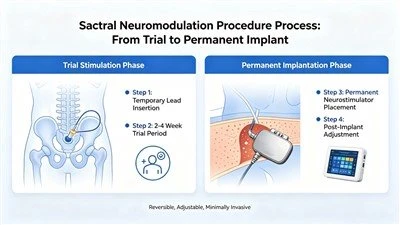
A: No, it typically worsens with disease progression, but symptoms can be managed with medications or sacral neuromodulation.
Q3: How is radiation-induced bladder neuropathy diagnosed?
A: By history of pelvic radiotherapy, urodynamics showing low compliance or areflexia, and exclusion of other causes.
Q4: Can tethered cord syndrome be cured by surgery?
A: Detethering may stabilize or improve bladder function, especially if performed early. Long-standing damage may be irreversible.
Q5: Do all patients with spinal dysraphism need catheterization?
A: Many do, but some with mild lesions void spontaneously. Urodynamic evaluation is essential.
Hot Tags: causes of neurogenic bladder, China, price, pricelist, quotation, cost, Congenital Spinal Dysraphism, Diagnosis Of Neurogenic Bladder, neurogenic bladder, Parkinson s Disease, Renal and Bladder Ultrasonography, Treatment Options For Neurogenic Bladder