From Silent Damage to Overt Disease
Complications of neurogenic bladder are "from silent to overt": early on silent, late stage severe.
Neurogenic bladder, if inadequately managed, can lead to progressive damage to the urinary tract. The following sections describe five major complications.
Urinary Tract Infection

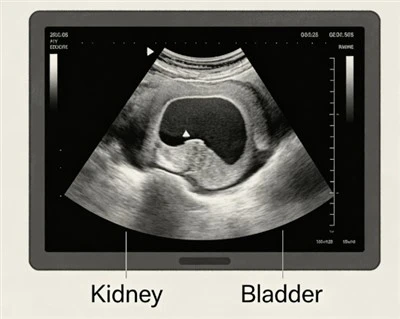
Hydronephrosis

Bladder and Renal Function Impairment
Bladder and renal function impairment develops from long-standing elevated intravesical pressure or recurrent infections. Reduced compliance and detrusor fibrosis lead to decreased bladder capacity. Renal deterioration may progress silently.
Vesicoureteral Reflux
Vesicoureteral reflux occurs when urine flows backward from the bladder to the ureters and kidneys. This condition increases the risk of pyelonephritis and renal scarring. High-grade reflux often requires surgical intervention.
Bladder Contracture
Bladder contracture results from chronic inflammation and denervation, causing a small, thick-walled bladder with low compliance. Patients experience frequent low-volume voiding or continuous leakage. This complication is often irreversible.
In other words, preventing complications of neurogenic bladder means controlling bladder pressure and monitoring residual volume.
Summary
These five complications are preventable with timely and appropriate management. Regular urologic follow-up and urodynamic monitoring are essential.

FAQ – Common Questions About Complications
Q1: Can bladder infections be completely avoided in neurogenic bladder?
A: Not completely, but the frequency can be minimized with clean intermittent catheterization, adequate hydration, and prompt treatment.
Q2: Is kidney pelvis dilation always reversible?
A: If detected early and the underlying high pressure is relieved, it often resolves. Chronic cases may leave residual dilation.
Q3: How is bladder and kidney function impairment monitored?
A: By annual renal ultrasound, serum creatinine, and periodic urodynamics.
Q4: What are the signs of backward urine flow?
A: Often asymptomatic, but may present with recurrent pyelonephritis or febrile urinary tract infections.
Q5: Can a shrunken bladder be treated without surgery?
A: Mild cases may improve with appropriate catheterization and anticholinergics. Severe cases may require augmentation cystoplasty.
Hot Tags: complications of neurogenic bladder, China, price, pricelist, quotation, cost, Bladder Contracture, Parkinson s Disease, Post Void Residual Volume, Renal and Bladder Ultrasonography, Tethered Cord Syndrome, Treatment Options For Neurogenic Bladder