Urinary retention associated with neurogenic bladder requires assessment of bladder emptying function, post-void residual volume, and potential neurological causes. Our services cover clinical evaluation, diagnostic assessment, treatment planning, and support for patients considering sacral neuromodulation (SNM).
For patients experiencing urinary retention, difficulty voiding, or incomplete bladder emptying, we provide medical consultation and assessment based on existing medical records, clinical symptoms, and examination findings.
1. Clinical Assessment and Diagnostic Evaluation for Neurogenic Bladder
Our assessment focuses on bladder storage and emptying function, residual urine volume, and potential neurological factors affecting urination.
Depending on the patient's clinical condition, the evaluation may include:
| Diagnostic Examination | Assessment Focus |
|---|---|
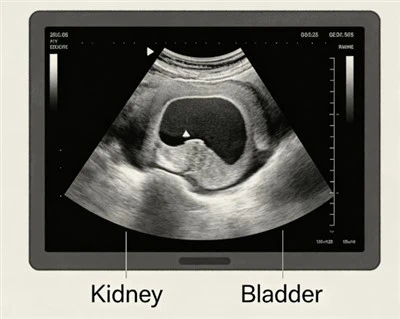
| Renal and Bladder Ultrasonography | Hydronephrosis, bladder wall thickness, and post-void residual volume |
| Cystometry | Detrusor pressure during bladder filling and emptying |
| Lumbosacral Spine MRI | Structural abnormalities, including tethered cord, tumors, syringomyelia, and spinal canal stenosis |
| Cystourethroscopy | Bladder mucosa, urethra, and prostate; assessment for stones, tumors, and anatomical obstruction |
| Post-Void Residual Volume Measurement | Residual urine remaining in the bladder after urination; the website lists a normal reference value of less than 100 mL |
Not every patient requires all five examinations. The diagnostic combination depends on clinical symptoms and initial assessment findings.
2. Treatment Options for Neurogenic Bladder-Related Urinary Retention
We evaluate treatment options according to bladder function, urodynamic findings, the underlying condition, and individual treatment goals.
| Treatment Option | Main Characteristics and Clinical Considerations |
|---|---|
| Clean Intermittent Catheterization (CIC) | A first-line approach for patients with insufficient bladder emptying; generally requires catheterization several times daily |
| Sacral Neuromodulation (SNM) | An adjustable and reversible treatment option for selected patients with non-obstructive urinary retention, subject to clinical evaluation |
| Intravesical Botulinum Toxin Therapy | Administered into the detrusor muscle under cystoscopic guidance; effects typically last 6–9 months |
| Suprapubic Cystostomy | May be considered for selected patients who cannot perform intermittent catheterization or have not responded adequately to other treatments |
These treatment options are not interchangeable. Selection depends on bladder function, underlying causes, the patient's medical condition, and treatment objectives.
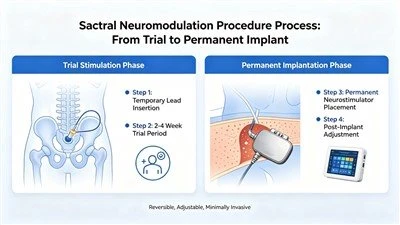
3. Sacral Neuromodulation (SNM) Evaluation and Treatment Process
Sacral neuromodulation is a treatment option for selected patients with non-obstructive urinary retention.
Our services include SNM treatment assessment and support throughout the relevant clinical process.
Stage 1: Test Stimulation
A temporary stimulation lead is placed near a selected sacral nerve to assess the response of bladder function to neuromodulation.
Stage 2: Test Period
The test period typically lasts 7–14 days. During this period, treatment response is evaluated through symptom diaries, changes in urinary retention or incontinence, urodynamic measurements, and other clinical findings.
Stage 3: Assessment for Permanent Implantation
Symptom improvement of 50% or more is generally used as a reference criterion when considering permanent implantation. The decision to proceed depends on the physician's overall clinical assessment.
Stage 4: Permanent Implantation and Postoperative Adjustment
Patients with satisfactory test responses who meet clinical criteria may be considered for implantation of a permanent pulse generator. After implantation, stimulation parameters can be adjusted by the physician according to symptoms and treatment response.
4. SNM Treatment Equipment and Configurations
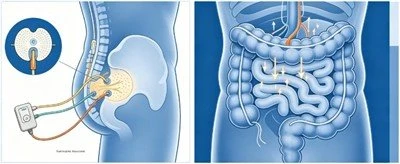
SNM treatment involves implantable stimulation equipment and supporting devices. The following models are listed in the relevant service information:
| Equipment Category | Available Models |
|---|---|
| Implantable Pulse Generator | G132, G131, G134R |
| Implantable Electrode Lead Kit | L331-28, L331-33, L331-41 |
| Patient Programming and Charging Device | R831 |
| Patient Programmer | C733 |
| Test Stimulator | T902 |
| External Programmer | PSM1001 |
The specific equipment configuration depends on the treatment plan and clinical assessment.
5. International Patient Consultation and Medical Support
We provide consultation and treatment coordination support for international patients seeking neurogenic bladder treatment assessment and medical care in China.
- Medical Record Review: Initial review of existing medical records, examination reports, imaging results, and previous treatment history.
- Remote Consultation and Second Opinions: Medical consultations and second medical opinions for international patients.
- Treatment Coordination: Assistance with arranging relevant medical consultations and treatment in China.
- Postoperative Support: Remote programming support and follow-up services where applicable.
Specific arrangements depend on the patient's clinical condition and medical assessment.
6. Request a Medical Assessment
If you are seeking an assessment for urinary retention associated with neurogenic bladder, you can submit your existing medical records, diagnostic reports, and imaging results for review.
Please include your current urinary symptoms, previous diagnoses, examination findings, and treatment history. These materials help us understand your situation and assess potentially appropriate diagnostic examinations and treatment options.
Contact us and submit your available medical records to discuss clinical assessment and treatment options for urinary retention associated with neurogenic bladder.
Contact Us
Hot Tags: urinary retention associated with neurogenic bladder, China, price, pricelist, quotation, cost, Causes Of Neurogenic Bladder, Hydronephrosis, Ischemic Stroke Cerebrovascular Accident, Lumbosacral Spine MRI, neurogenic lower urinary tract stimulation system, Parkinson s Disease