

Symptoms and Clinical Presentation
Urological symptoms can include urinary frequency, nocturia, painful urination, bladder discomfort, and chronic pelvic pain. Their clinical significance depends on the specific symptom pattern and associated conditions.
For patients experiencing persistent urinary or pelvic discomfort, identifying the symptoms and their relationship to bladder function is an important starting point for specialist assessment.
Interstitial Cystitis Symptoms
Interstitial cystitis (IC), also known as bladder pain syndrome, can involve several characteristic symptoms:
- Suprapubic pain or pressure.
- Bladder pain that increases as the bladder fills.
- Temporary pain relief after urination.
- Increased urinary frequency.
- Nocturia.
- Lower abdominal pain.
- Painful urination.
The relationship between bladder filling and pain is particularly relevant. Patients may experience increasing discomfort as the bladder fills and temporary relief after emptying it.
Chronic Pelvic Pain Symptoms
Chronic pelvic pain can present through different patterns of discomfort, including:
- Persistent pelvic floor pain.
- Pain associated with bladder filling.
- Pain after urination.
- Pain during sexual intercourse.
- Pelvic pressure or heaviness.
- Pain around the pubic region.
- Urinary frequency accompanied by pelvic pain.
The location and timing of pain, together with urinary symptoms, are relevant to further clinical evaluation.
-
![Bladder Storage And Emptying Dysfunction]() Bladder Storage And Emptying Dysfunction
Bladder storage and emptying dysfunction can involve two distinct problems: difficulty storing urine and difficulty emptying the bladder. Accurate assessment is important because these problems may
-
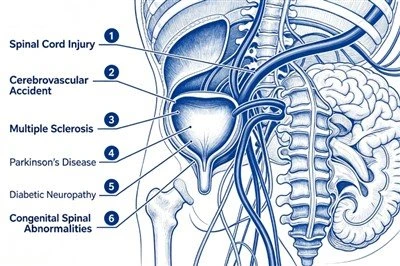
![Neurological Conditions Associated With Neurogenic Bladder]() Neurological Conditions Associated With Neurogenic Bladder
Neurogenic bladder can develop when neurological conditions or injuries disrupt the nerve pathways responsible for bladder storage and emptying.
-
![Neurogenic Bladder After Spinal Cord Injury]() Neurogenic Bladder After Spinal Cord Injury
For patients with neurogenic bladder following spinal cord injury, treatment selection depends on neurological injury, bladder storage and emptying function, and upper urinary tract risk.
-
![Urinary Incontinence Associated With Neurogenic Bladder]() Urinary Incontinence Associated With Neurogenic Bladder
For selected patients with neurogenic bladder-related urinary incontinence, sacral neuromodulation (SNM) offers a treatment option based on a two-stage process: temporary test stimulation followed by
-
![Urinary Retention Associated With Neurogenic Bladder]() Urinary Retention Associated With Neurogenic Bladder
Urinary retention associated with neurogenic bladder requires assessment of bladder emptying function, post-void residual volume, and potential neurological causes.
-
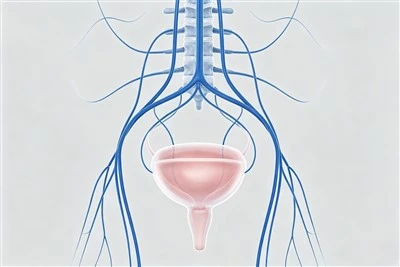
![Neurogenic Bladder Symptoms in Adults]() Neurogenic Bladder Symptoms in Adults
Neurogenic bladder can affect both urine storage and bladder emptying. Adults may experience urinary frequency, urgency, incontinence, difficulty starting urination, weak urine flow, or urinary




Possible Causes and Contributing Factors
The causes of urological symptoms are not always straightforward. Similar symptoms can occur in different conditions, and multiple factors may contribute to a patient's discomfort.
Factors Associated with Interstitial Cystitis
Potentially associated factors discussed in relation to interstitial cystitis include:
- Bladder lining dysfunction: Changes in the bladder's protective barrier may be associated with bladder irritation and discomfort.
- Immune-related factors: Immune system involvement has been investigated in relation to interstitial cystitis.
- Psychological stress: Stress may be associated with symptom aggravation in some patients.
- Dietary triggers: Certain foods and beverages may be associated with increased symptoms.
Commonly reported dietary triggers include:
- Citrus fruits.
- Tomatoes.
- Spicy foods.
- Caffeinated beverages.
- Alcohol.
- Artificial sweeteners.
Individual responses vary. These items should be considered potential symptom triggers rather than established causes of interstitial cystitis.
Causes and Contributing Factors Associated with Chronic Pelvic Pain
Several conditions and physical factors may contribute to chronic pelvic pain:
- Postoperative scar tissue or adhesions.
- Nerve injury or neuropathic pain.
- Lumbosacral nerve compression.
- Pudendal nerve injury.
- Pelvic floor muscle spasms.
These factors involve different anatomical structures and possible mechanisms. Identifying the underlying source requires clinical assessment.
Conditions with Similar Symptoms
Urinary frequency, urgency, painful urination, and pelvic discomfort may occur in different urological conditions.
Conditions relevant to specialist evaluation include:
- Interstitial cystitis.
- Overactive bladder.
- Neurogenic bladder.
These conditions should not be treated as interchangeable diagnoses. Similar symptoms do not establish the underlying condition, and an appropriate assessment must consider the patient's medical history and relevant clinical findings.
When to Seek Medical Evaluation
Persistent urinary symptoms or pelvic pain warrant professional medical assessment, particularly when they interfere with daily activities or remain unresolved after previous treatment.
Further evaluation may be appropriate when patients experience:
- Persistent or recurrent bladder pain.
- Increasing urinary frequency or nocturia.
- Pain associated with bladder filling or urination.
- Recurrent pelvic discomfort.
- Urinary symptoms in the context of an existing neurological condition.
- Symptoms that remain unresolved after previous treatment.
The appropriate assessment depends on the patient's symptoms, medical history, and previous examination and treatment records.
Urology Specialist Assessment and Next Steps
When symptoms persist or the underlying cause remains unclear, a urology specialist assessment can help establish an appropriate diagnostic and treatment pathway.
Hefei Youce Haoyi Culture Co., Ltd. presents medical services related to urological conditions, neuro-urology, pelvic floor disorders, and sacral neuromodulation (SNM).
The company's published service information includes:
- Review of existing medical records.
- Specialist assessment of urinary and pelvic floor conditions.
- Multidisciplinary evaluation involving urology, neuro-urology, and rehabilitation medicine.
- Remote medical record review and second opinions.
- Follow-up support for relevant patients.
The company's published information identifies Dr. Zhang Yifei as having more than 30 years of clinical experience and reports more than 1,000 SNM procedures.
For remote medical record review, the company publishes a written assessment timeframe of 1–3 working days.
When Sacral Neuromodulation Assessment May Be Relevant
Sacral neuromodulation is a treatment option considered for selected patients with certain bladder and bowel control disorders.
It should not be assumed to be appropriate for every patient experiencing urinary frequency, bladder pain, or pelvic discomfort.
The decision to consider SNM depends on the diagnosed condition, previous treatment history, clinical assessment, and suitability for test stimulation and subsequent treatment.
For patients considering this treatment, reviewing previous diagnostic findings and treatment records is an important part of specialist assessment.
Request a Specialist Medical Record Review
If you have persistent urinary symptoms, chronic pelvic pain, or an unresolved urological diagnosis, you can submit your existing medical records for specialist review.
Please provide your available diagnosis, relevant examination results, previous treatment history, and a brief description of your current symptoms. This information can help the medical team review your case and advise on appropriate next steps.
Dr. Zhang Yifei has been engaged in clinical practice for more than 30 years and he is an Associate Chief Physician in the Department of Urology. If you're going to know the cost of symptoms & causes, welcome to contact us for pricelist and quotation.
Bladder and Renal Function Impairment, neurogenic bladder management device, Voiding Difficulty


