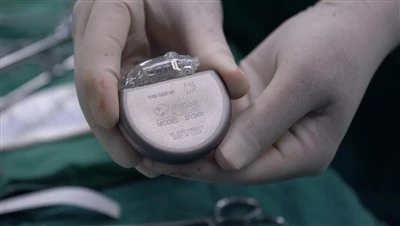
Neurogenic bladder treatment planning combines neurological assessment, bladder function evaluation, and individualized treatment selection. For patients being considered for sacral neuromodulation treatment (SNM), the treatment pathway includes an initial test stimulation phase, clinical response evaluation, and possible permanent implantation. Our approach also incorporates equipment configuration and follow-up support for international patients.
1. Neurogenic Bladder Patient Assessment for Treatment
Not every patient with neurogenic bladder is suitable for sacral neuromodulation. Treatment planning begins with an assessment of the underlying neurological condition and the specific urinary dysfunction.
Our evaluation considers:
- Neurological history: The underlying neurological condition, injury history, and whether the condition is stable or progressive.
- Bladder function: Urinary retention, urinary incontinence, urgency, frequency, and other lower urinary tract symptoms.
- Urodynamic findings: Relevant bladder function measurements and examination results.
- Previous treatments: Responses to medication, bladder management, rehabilitation, and other interventions.
- Upper urinary tract considerations: Relevant findings affecting kidney and urinary tract safety.
These findings help determine whether SNM evaluation is appropriate or whether another treatment approach should be considered. Patients with complex neurological conditions require individualized clinical assessment rather than automatic selection for implantation.
2. Individualized SNM Treatment Planning and Testing
For patients considered suitable for SNM evaluation, treatment generally follows a two-stage process.
Stage 1: SNM Test Stimulation
A temporary stimulation phase evaluates the patient's response to sacral nerve stimulation.
- Typical testing period: 7–14 days.
- Clinical monitoring: Urinary symptoms and functional changes are recorded during testing.
- Evaluation indicators: Changes in urinary retention, urinary incontinence, and relevant urodynamic findings.
- Response reference: Symptom improvement of 50% or more is a commonly used reference for considering permanent implantation.
The test results help the clinical team determine whether proceeding to permanent implantation is justified.
Stage 2: Permanent SNM Implantation
Patients who demonstrate an appropriate response during the test phase may be considered for permanent SNM implantation.
The final decision depends on clinical findings, test results, and individual treatment considerations. Permanent implantation is not automatic.
3. SNM Equipment and SNM Device Configuration Options
Different implanted pulse generators and supporting devices are available for SNM treatment. The following configurations provide specific options for treatment planning.
Implanted Pulse Generators
| Model | Battery Configuration | Dimensions | Weight | Warranty |
|---|---|---|---|---|
| G132 | Non-rechargeable, 1850 mAh | 50 × 50 × 6.8 mm | 25 g | 2 years |
| G131 | Non-rechargeable, 2500 mAh | 47 × 51 × 10.5 mm | 35 g | 2 years |
| G134R | Rechargeable | 55 × 52 × 11 mm | 36 g | 10 years |
The G132 and G131 use non-rechargeable batteries, while the G134R uses a rechargeable configuration. These differences are relevant when comparing device configurations and long-term patient management requirements.
Warranty periods should not be interpreted as guaranteed battery service life. Actual device longevity should be assessed using the applicable product documentation.
SNM Electrode Options
The L331 electrode lead kit is available in three specifications:
- L331-28
- L331-33
- L331-41
The appropriate electrode configuration is determined as part of the clinical and implantation planning process.
SNM Programming and Testing Equipment
| Model | Function |
|---|---|
| R831 | Patient programming and charging |
| C733 | Patient programming, supporting constant-voltage and constant-current stimulation |
| T902 | Test stimulation with Bluetooth and near-field coupling communication |
| PSM1001 | External physician programming, with a Bluetooth communication range of 10 m |
These devices support different stages of SNM testing, programming, and patient management.
4. International Patient Consultation and Follow-Up Support
International patients may need medical assessment before deciding whether to travel for treatment. Our services cover consultation, treatment planning, and follow-up coordination.
Medical Record Review and International Neurogenic Bladder Consultation
Patients can submit their existing medical records for an initial review. Relevant information includes neurological history, urinary symptoms, previous treatment records, and available urodynamic or other examination results.
The stated timeframe for a written remote assessment is typically 1–3 working days.
English-Language Medical Communication
English-language communication is available to help international patients discuss their medical history, examination findings, and treatment options with the medical team.
Treatment and Medical Visit Coordination
For patients requiring further in-person assessment, assistance is available with medical visit arrangements in China and discussions about the proposed treatment pathway.
Post-Treatment Follow-Up
Follow-up support includes remote communication and remote SNM programming assistance. Remote programming may allow certain device parameter adjustments after patients return to their home countries, depending on the clinical requirements and availability of the relevant equipment.
5. Request a Neurogenic Bladder Treatment Assessment
If you are considering SNM treatment for neurogenic bladder, you can begin with the medical records and examination results you already have.
Send us your diagnosis, neurological history, urinary symptoms, previous treatment records, and available urodynamic reports or examination images.
Our team can review the submitted information and help determine whether further SNM assessment is appropriate, what treatment stages may be involved, and whether an in-person medical visit should be considered.
Request an Individualized Neurogenic Bladder Treatment Assessment
Contact us with your existing medical records to request an individualized neurogenic bladder treatment assessment.
Hot Tags: neurogenic bladder treatment planning, China, price, pricelist, quotation, cost, Cystourethroscopy, Elevated Post Void Residual, neurogenic bladder nerve stimulator, neurogenic bladder sacral nerve stimulation device, neurogenic lower urinary tract stimulation system, Radiation Induced Bladder Neuropathy