Conservative management of neurogenic bladder focuses on bladder emptying, symptom control, and protection of upper urinary tract function without immediately proceeding to implantable or surgical treatment. Clean intermittent catheterization (CIC) is an established management option for patients who cannot empty their bladder effectively.
1. Conservative Management Options
Clean intermittent catheterization (CIC) is one of the principal conservative management approaches covered in our neurogenic bladder treatment information.
CIC involves periodically inserting a catheter through the urethra to empty the bladder and removing it after drainage. Patients may need to perform catheterization several times daily, depending on bladder function and their individual clinical management plan.
CIC may be considered when neurological dysfunction affects bladder emptying. Its suitability depends on the patient's ability to perform catheterization, bladder function, and clinical assessment.
Other conservative approaches used in neuro-urology include:
- Medication management: Pharmacological treatment may be considered for bladder storage dysfunction and other urinary symptoms, depending on the underlying functional problem.
- Scheduled voiding: Structured voiding routines may be appropriate for selected patients.
- Pelvic floor rehabilitation: May be considered when voluntary pelvic floor control is preserved and the patient's clinical condition is suitable.
These approaches require individual assessment and are not interchangeable. The appropriate management plan depends on the patient's neurological condition and bladder function.
2. Patient Assessment and Treatment Suitability
Selecting a conservative management plan requires evaluation of the underlying bladder dysfunction and associated risks, rather than relying on urinary symptoms alone.
Important assessment factors include:
- Underlying neurological condition: Such as spinal cord injury, neurological disease, or congenital neurological abnormalities.
- Bladder storage and emptying function: Whether the main problem involves involuntary bladder contractions, inadequate emptying, or a combination of dysfunctions.
- Urodynamic findings: Used to assess bladder pressure, capacity, compliance, and voiding function where clinically indicated.
- Post-void residual volume: Helps evaluate whether the bladder empties adequately.
- Manual dexterity: Important when determining whether patients can independently perform intermittent catheterization.
- Renal and urinary tract status: Relevant to identifying risks associated with elevated bladder pressure, urinary retention, and urinary tract complications.
Patients with different neurological conditions may have different bladder management requirements. Treatment suitability should therefore be determined through clinical assessment.
3. Individualized Management and Treatment Selection
The management approach should address the patient's actual bladder dysfunction rather than follow a single standard regimen.
| Management option | Main clinical consideration |
|---|---|
| Clean intermittent catheterization | Inadequate bladder emptying and the patient's ability to perform catheterization |
| Medication management | Bladder storage dysfunction and the specific type of urinary symptoms |
| Scheduled voiding | Suitability for a structured bladder-emptying routine |
| Pelvic floor rehabilitation | Preserved voluntary pelvic floor function and ability to participate in training |
| Clinical monitoring | Bladder function, residual urine, renal status, and urinary complications |
For patients with impaired bladder emptying, CIC may be considered when clinically appropriate and feasible.
Medication selection and rehabilitation requirements depend on the neurological diagnosis, urodynamic findings, and individual treatment goals.
4. Monitoring and Long-Term Management
Long-term neurogenic bladder management requires attention to urinary symptoms and potential complications.
Clinical follow-up may include:
- Monitoring urinary retention and post-void residual volume.
- Reviewing urinary symptoms and bladder-emptying patterns.
- Assessing recurrent urinary tract infections.
- Monitoring renal function and upper urinary tract status according to patient risk.
- Reviewing whether the existing bladder management approach remains appropriate.
If symptoms persist, bladder emptying remains inadequate, or upper urinary tract risks are identified, the treatment plan may require reassessment.
Conservative management is not suitable as the sole approach for every patient. Some patients may require additional interventions when their existing management plan does not adequately address their clinical condition.
5. Neurogenic Bladder Specialist Assessment and International Patient Support
Our neuro-urology service provides medical record review and specialist assessment for international patients with neurogenic bladder and related urinary control disorders.
The clinical team includes urology, neuro-urology, and rehabilitation specialists, with Dr. Zhang Yifei, an Associate Chief Physician at the First Affiliated Hospital of Anhui Medical University, identified as a key clinical specialist.
The team has more than 30 years of specialized clinical experience in urinary control disorders.
International patient support includes:
- Remote review of existing medical records and examination reports.
- Assessment of available urodynamic studies and imaging.
- English-language medical communication.
- Written remote second opinions.
- Treatment planning and coordination of further clinical evaluation when necessary.
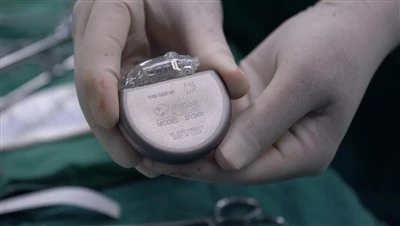
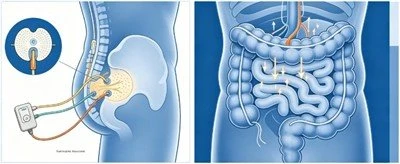
For patients whose symptoms are not adequately controlled through conservative management, the team can also assess whether other treatment approaches, including sacral neuromodulation (SNM), may be appropriate.
SNM is a separate implantable treatment option, not a component of conservative management. Its suitability requires individual clinical evaluation.
6. Request a Neurogenic Bladder Medical Assessment
If you are considering conservative management of neurogenic bladder, you can submit your existing medical records for specialist review.
Please include any available:
- Previous diagnosis and neurological history.
- Urodynamic examination reports.
- Ultrasound or other urinary tract imaging.
- Post-void residual measurements.
- Current medication and catheterization history.
- Previous treatment records and current symptoms.
Our team can review the available information and provide an assessment of potential bladder management options.
Submit your existing medical records to request a specialist review and discuss an appropriate management plan.
Hot Tags: conservative management of neurogenic bladder, China, price, pricelist, quotation, cost, neurogenic bladder nerve stimulator, neurogenic bladder neurostimulator system, neurogenic bladder therapy device, Post Void Residual Volume, Treatment Options For Neurogenic Bladder, Urinary Tract Infection